Mood Disorders
Understanding Mood Disorders
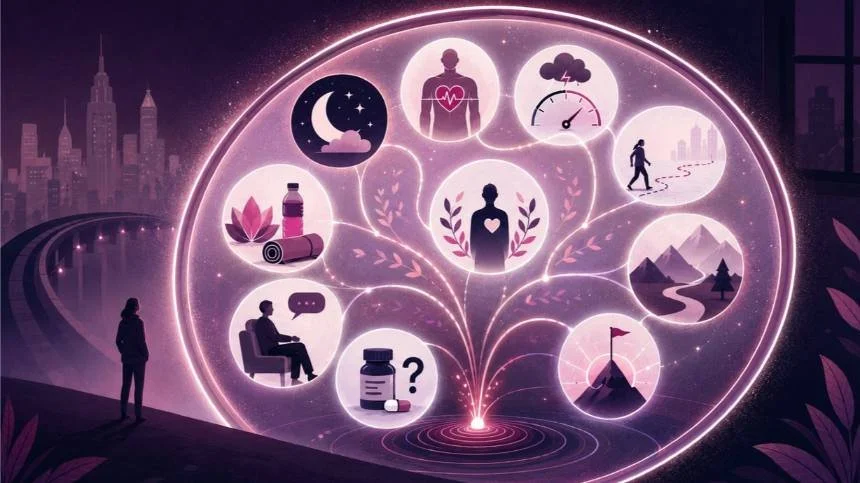
Mood disorders are a group of mental health conditions that primarily affect a person's emotional state. While it is normal to experience fluctuations in mood throughout life, mood disorders involve persistent or significant changes in mood that can interfere with daily functioning, relationships, work, and overall well-being.
Common Symptoms of Mood Disorders
Symptoms may vary depending on the specific diagnosis but often include:
- Persistent sadness, low mood, or feelings of hopelessness
- Loss of interest in activities that were once enjoyable
- Fatigue, low energy, or reduced motivation
- Difficulty concentrating, making decisions, or staying focused
- Changes in sleep patterns, appetite, or weight
- Increased irritability, emotional sensitivity, or agitation
- Mood swings or significant fluctuations in energy levels
- Social withdrawal, feelings of worthlessness, or decreased productivity
These conditions can cause prolonged periods of sadness, hopelessness, low motivation, irritability, or emotional numbness. In some cases, individuals may also experience episodes of elevated mood, increased energy, impulsivity, or decreased need for sleep. The severity, duration, and pattern of these symptoms vary depending on the specific diagnosis and individual circumstances.
Mood disorders are among the most common mental health conditions and can affect people of all ages and backgrounds. Although symptoms may feel overwhelming, effective treatment is available, and many individuals experience significant improvement with appropriate care.
Types of Mood Disorders
Mood disorders encompass several different conditions, each with its own pattern of symptoms and clinical presentation.
-
Characterized by persistent feelings of sadness, hopelessness, low motivation, and loss of interest in daily activities.
-
Involves episodes of depression alternating with periods of mania or hypomania, which may include elevated mood, increased energy, impulsivity, and reduced need for sleep.
-
A chronic mood condition involving recurring periods of mild depressive symptoms and hypomanic symptoms that do not meet the full criteria for bipolar disorder.
-
A long-term form of depression involving chronic low mood that may persist for years.
Our Approach to Mood Disorder Treatment
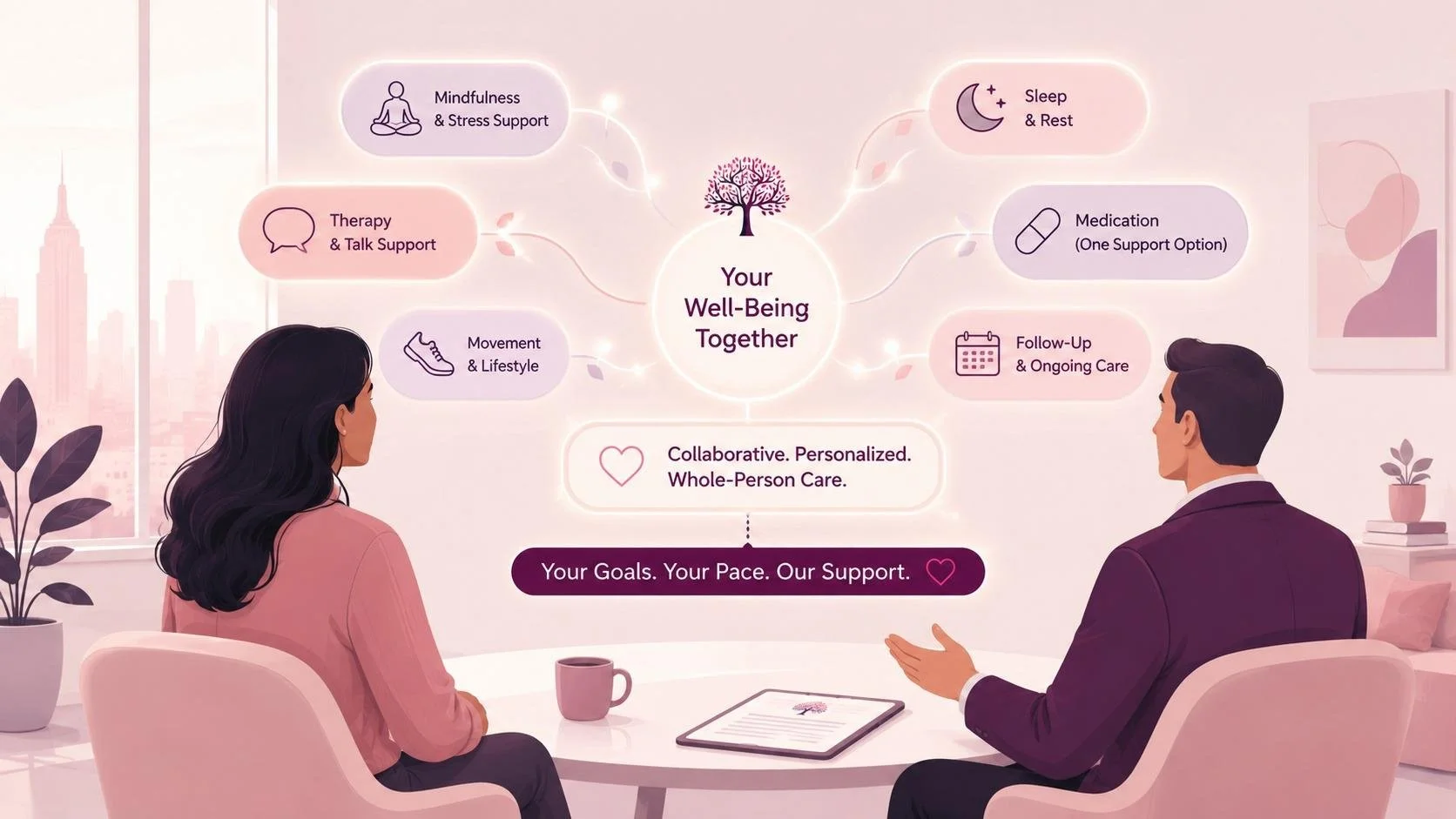
At New York Integrative Psychiatry, we believe effective treatment requires understanding the whole person, not just the diagnosis. Mood disorders often involve biological, psychological, social, and lifestyle factors that interact in complex ways. For this reason, treatment is most effective when it is individualized and comprehensive.
Our team provides evidence-based care that may include psychiatry, psychotherapy, medication management, ketamine-assisted psychotherapy, and integrative mental health interventions. We work collaboratively with each patient to develop a treatment plan that reflects their symptoms, treatment history, strengths, and goals.
Whether you are experiencing depression, bipolar disorder, cyclothymia, or another mood-related concern, our goal is to help you achieve greater emotional stability, improved functioning, and lasting well-being.
Learn more about our approach to Psychiatry, Psychotherapy, Ketamine-Assisted Psychotherapy, and Integrative Mental Health & Wellness.
Understanding Mood Disorders: Related Articles